
Have you ever wondered why one coffee tastes fruity and sweet, while another tastes clean, delicate or even a little funky?
You might assume it’s because the coffees come from different countries, or because they’ve been roasted differently.
And while those things certainly matter, there’s another important factor: how the coffee is processed after it’s picked.
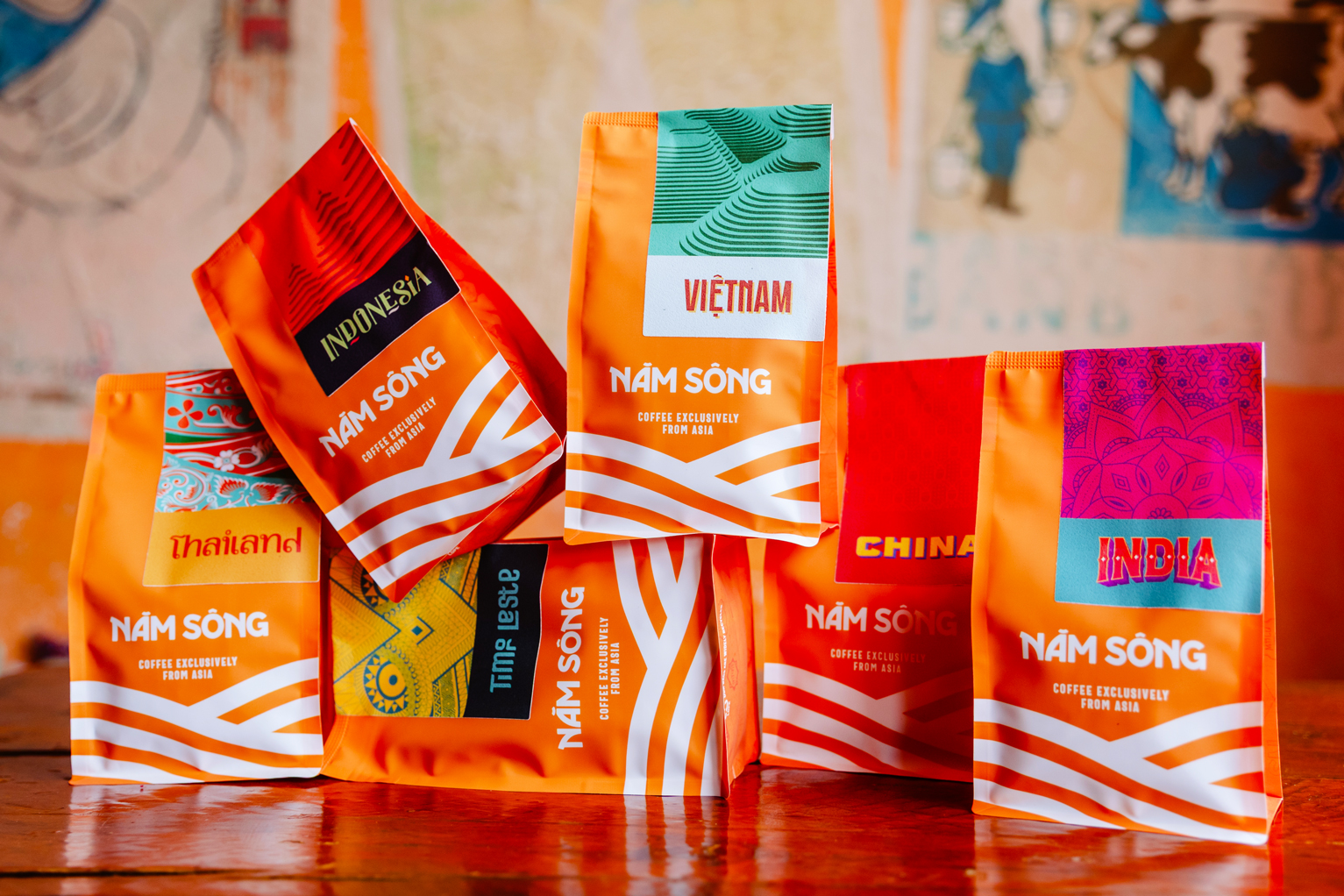
Across our Nam Song coffee range, we have coffees from farms throughout Asia that have been processed in all sorts of different ways.
So we thought we’d explain what those methods actually mean, and more importantly, how they change the coffee you’re drinking.
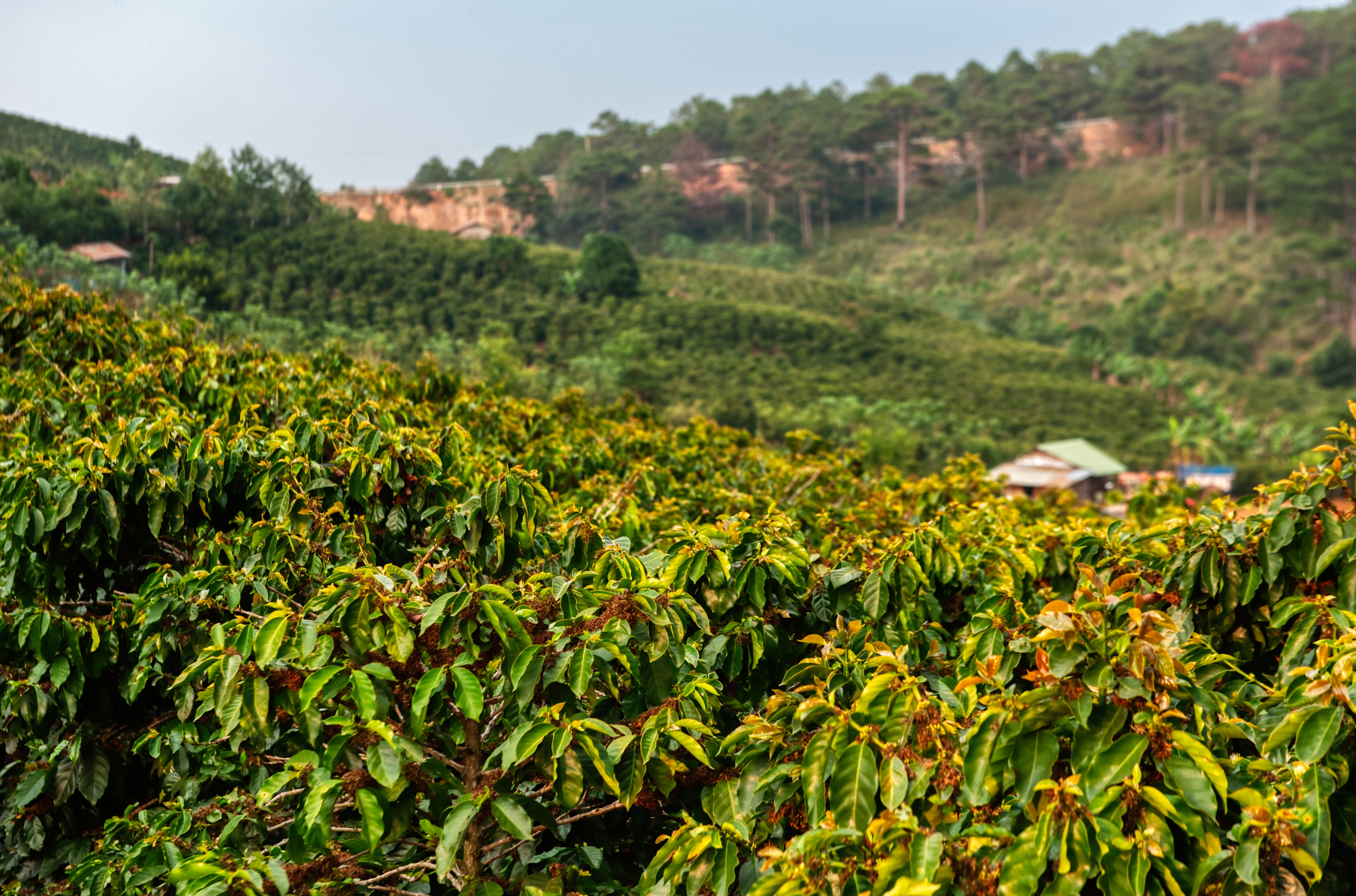
Before coffee becomes the roasted beans you’re familiar with, it starts life as a fruit.
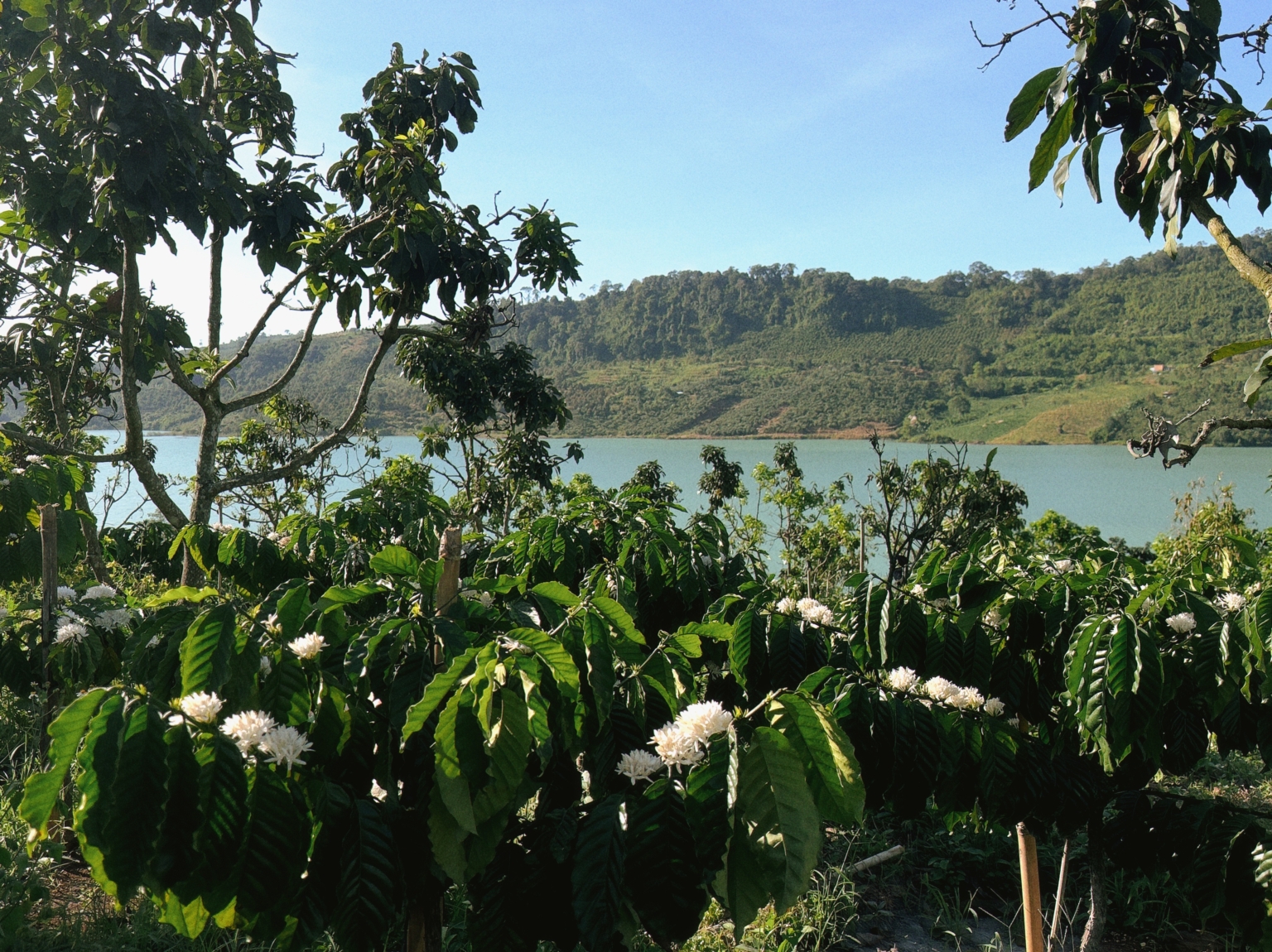
Coffee grows on trees as small, cherry-like fruits. Inside each cherry are usually two seeds, which are what we eventually roast, grind and brew.
But before those seeds can be roasted, the fruit and its surrounding layers need to be removed and the coffee needs to be dried.
This is where coffee processing comes in.
Different producers use different combinations of fruit removal, fermentation, washing and drying to prepare their coffee.
And the choices they make can have a huge influence on its final flavour.
Washed processing is one of the most established methods of producing speciality coffee.
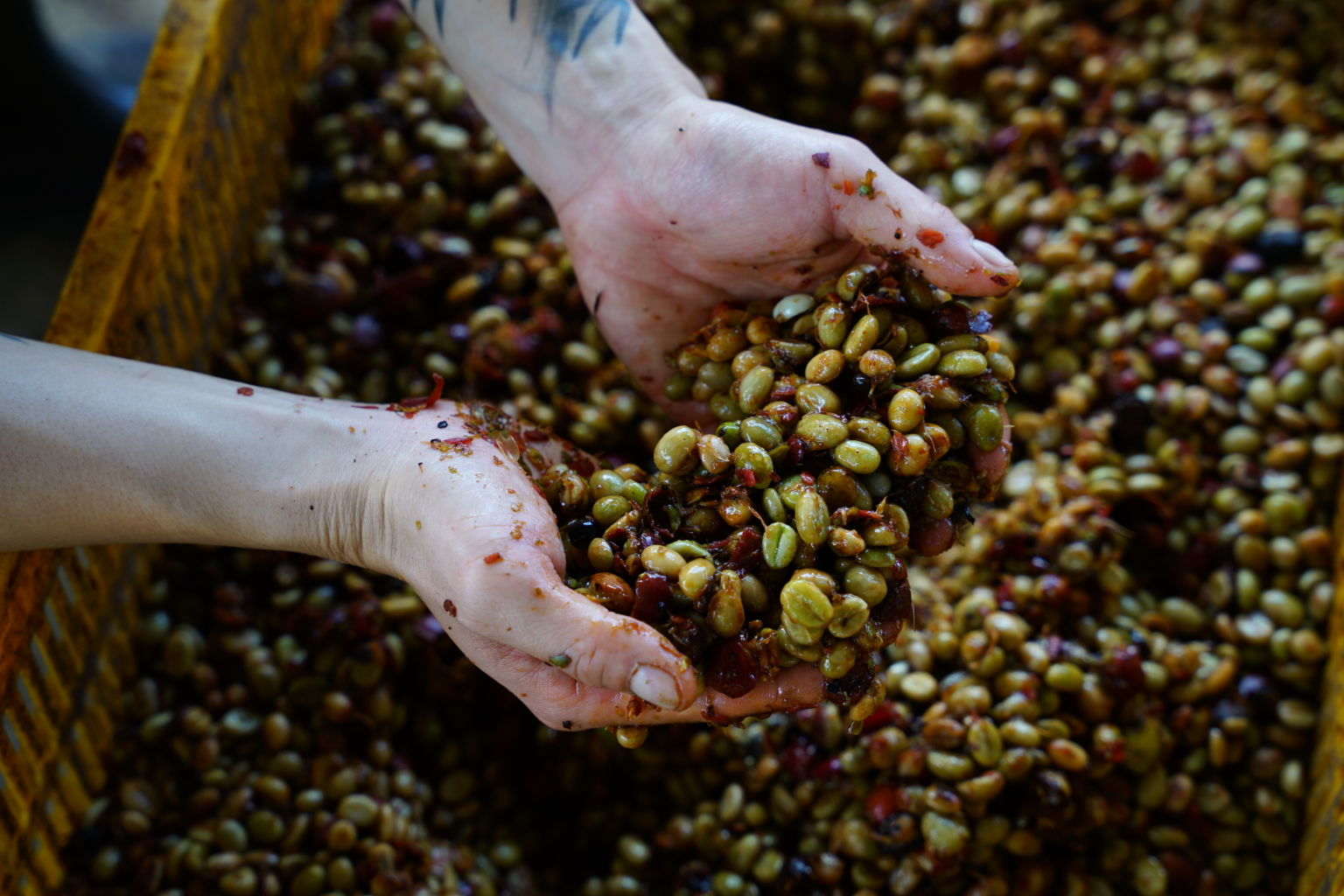
After harvesting, the outer skin and much of the fruit are removed from the coffee cherries. The remaining sticky layer, called mucilage, is then removed through fermentation, mechanical methods or a combination of both, before the coffee is washed and dried.
The result is often a coffee with a particularly clean and well-defined flavour.
Because the fruit is removed relatively early, the natural characteristics of the coffee itself can be easier to distinguish.
What does washed coffee taste like?
Try it at Nam Song: Our Vietnam – Zanya Farm – Double Washed and Timor-Leste – Samoro, Letefoho – Fully Washed coffees.
Double washed refers to an additional washing stage or stages, although the exact process varies between producers.
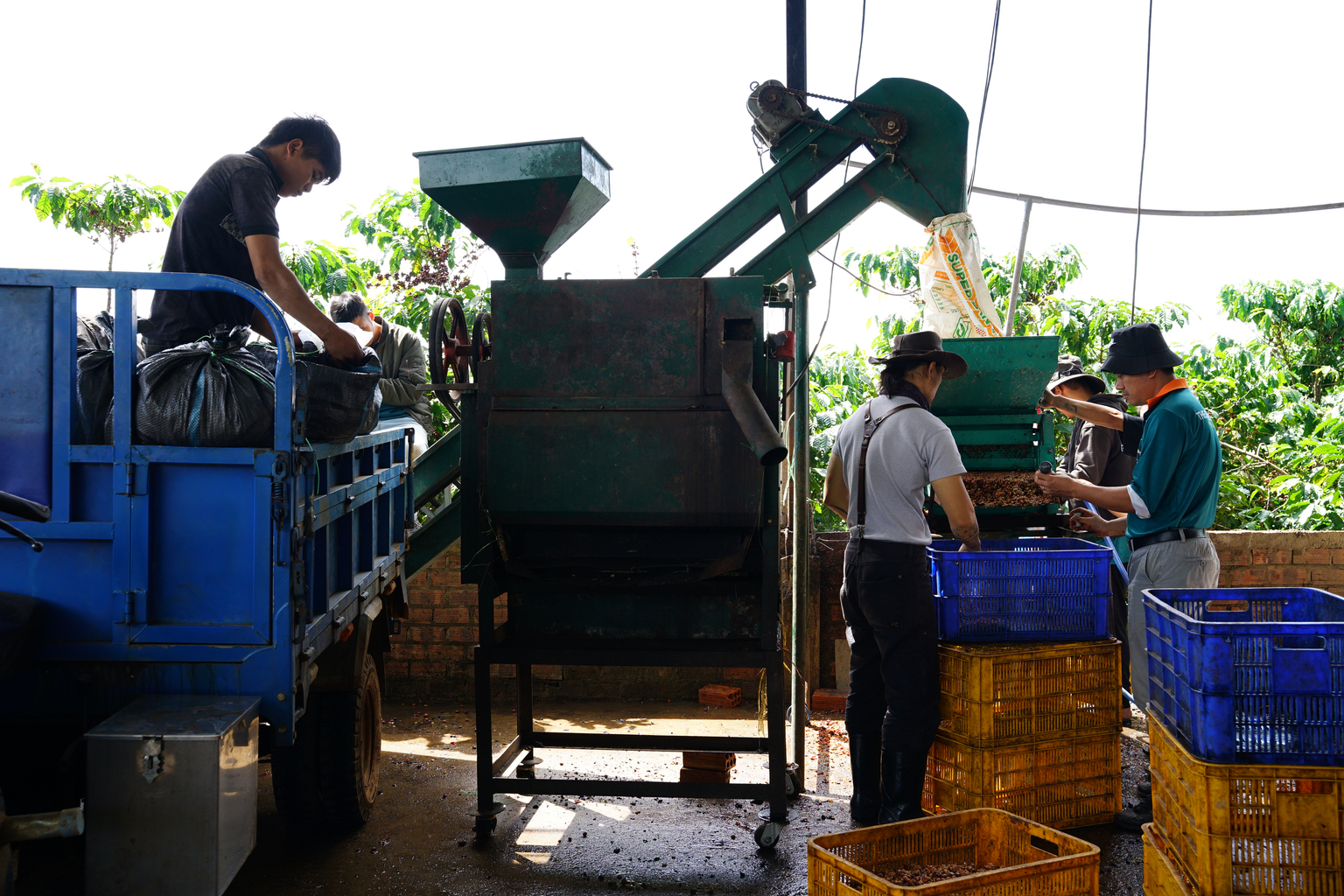
Natural processing is quite different.
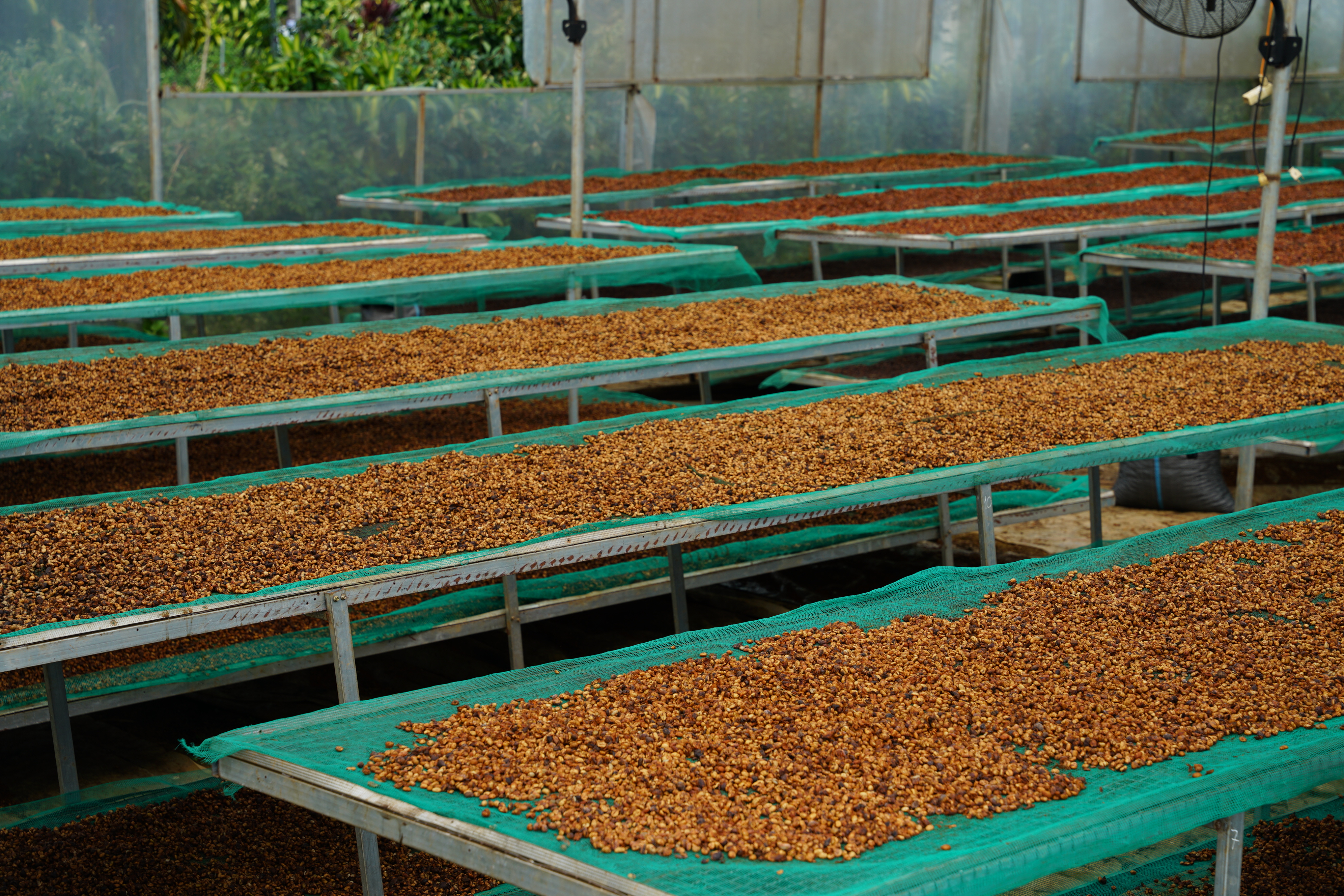
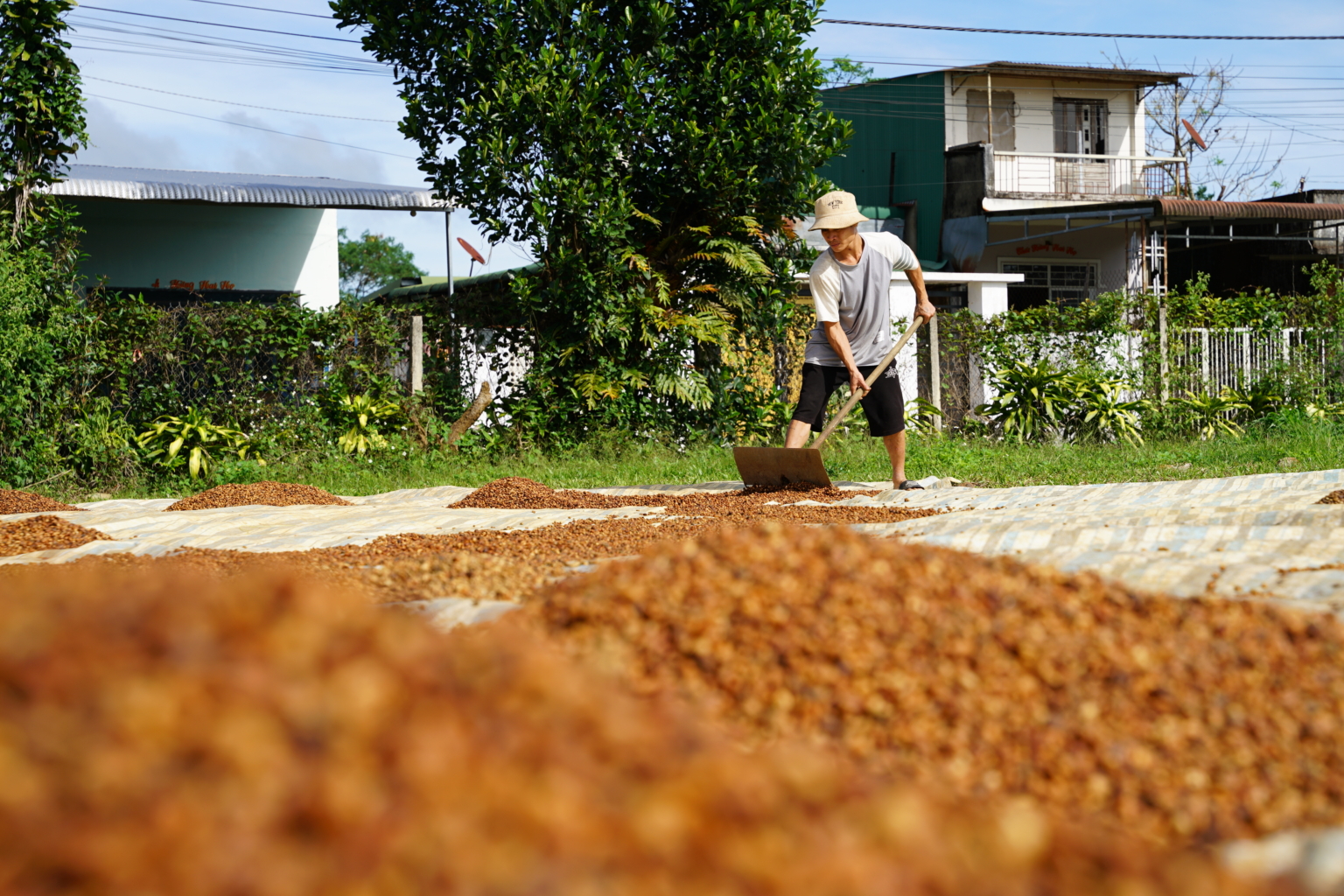
Rather than removing the fruit straight away, the entire coffee cherry is dried with the seed still inside.
As the cherry dries, the fruit undergoes natural fermentation, which can contribute to the flavours that eventually develop in the coffee.
Once the cherries have reached the correct moisture level, the dried fruit is removed.
This process often creates coffees with more pronounced fruit flavours and a heavier mouthfeel.
What does natural coffee taste like?
Try it at Nam Song: Our Vietnam – Zanya Farm – Natural and India – Hospura Estate – Natural coffees.
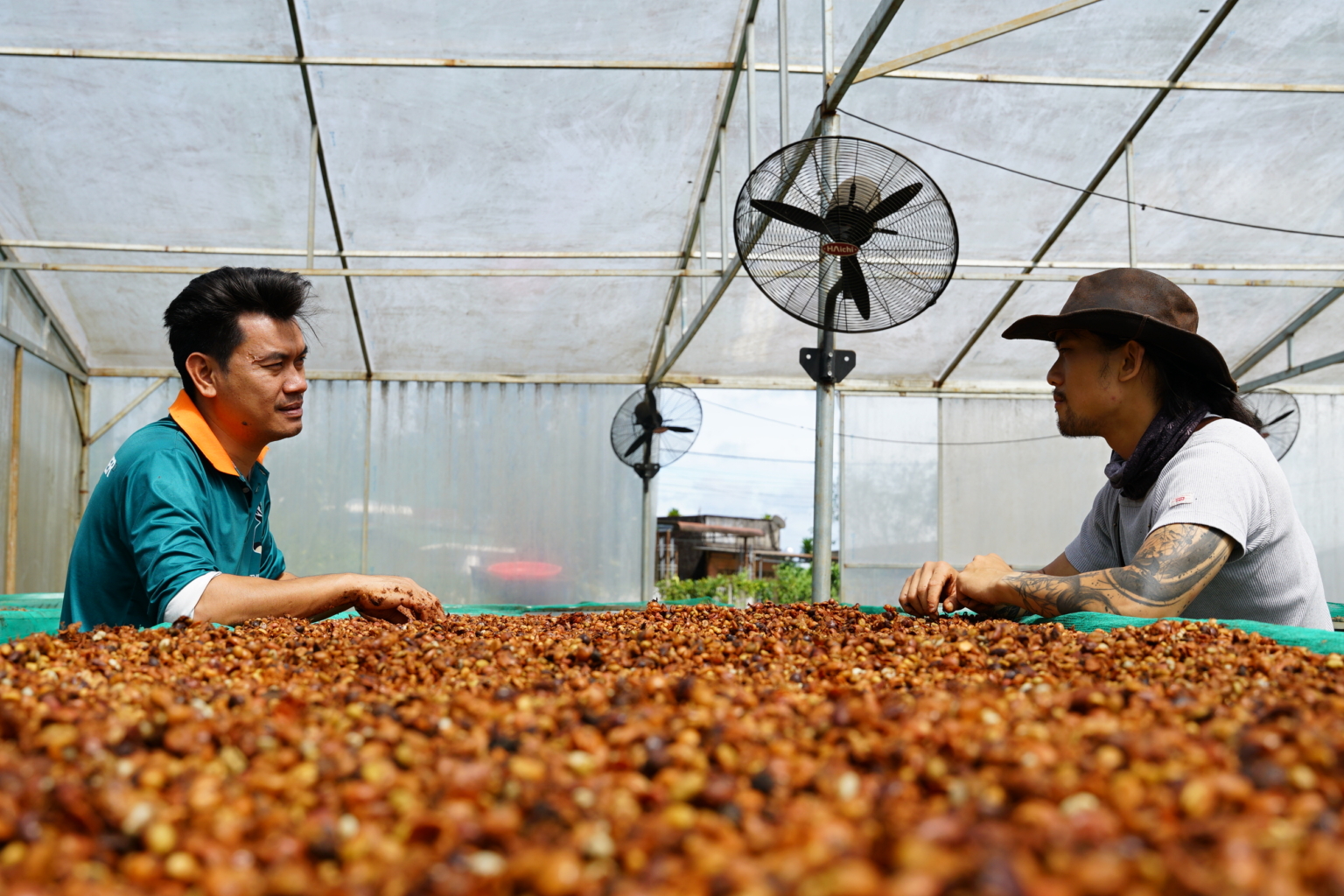
Despite the name, honey processing doesn’t involve adding any actual honey.
Instead, it refers to the sticky, honey-like mucilage that remains around the coffee seed after the outer skin of the cherry has been removed.
During honey processing, some of this mucilage is left on the coffee while it dries.
The amount retained, along with drying conditions and fermentation, can influence the final flavour.
You might see terms like yellow honey, red honey and black honey. These generally describe different approaches to mucilage retention and drying, although definitions vary between producers.
What does honey-processed coffee taste like?
Try it at Nam Song: Our Vietnam – Zanya Farm – Black Honey coffee.
Black honey processing generally involves carefully controlled drying with substantial mucilage remaining, often creating a particularly rich and sweet cup.
This is where things start getting particularly interesting.
Anaerobic processing involves fermenting coffee in an environment with little or no oxygen, typically using sealed tanks or containers.
By controlling the fermentation environment, producers can influence how microorganisms interact with the coffee.
This can create flavours quite different from those found in more conventional processing methods.
Anaerobic fermentation isn’t necessarily a standalone processing method. It can be combined with natural, washed or honey processing.
What does anaerobic coffee taste like?
Not every anaerobic coffee tastes particularly funky. The final result depends on the coffee, fermentation conditions and how carefully the process is managed.
Try it at Nam Song: Our China – Baima – Anaerobic Natural and Indonesia – Mount Kerinci – Anaerobic Natural coffees.
Both combine low-oxygen fermentation with natural processing.
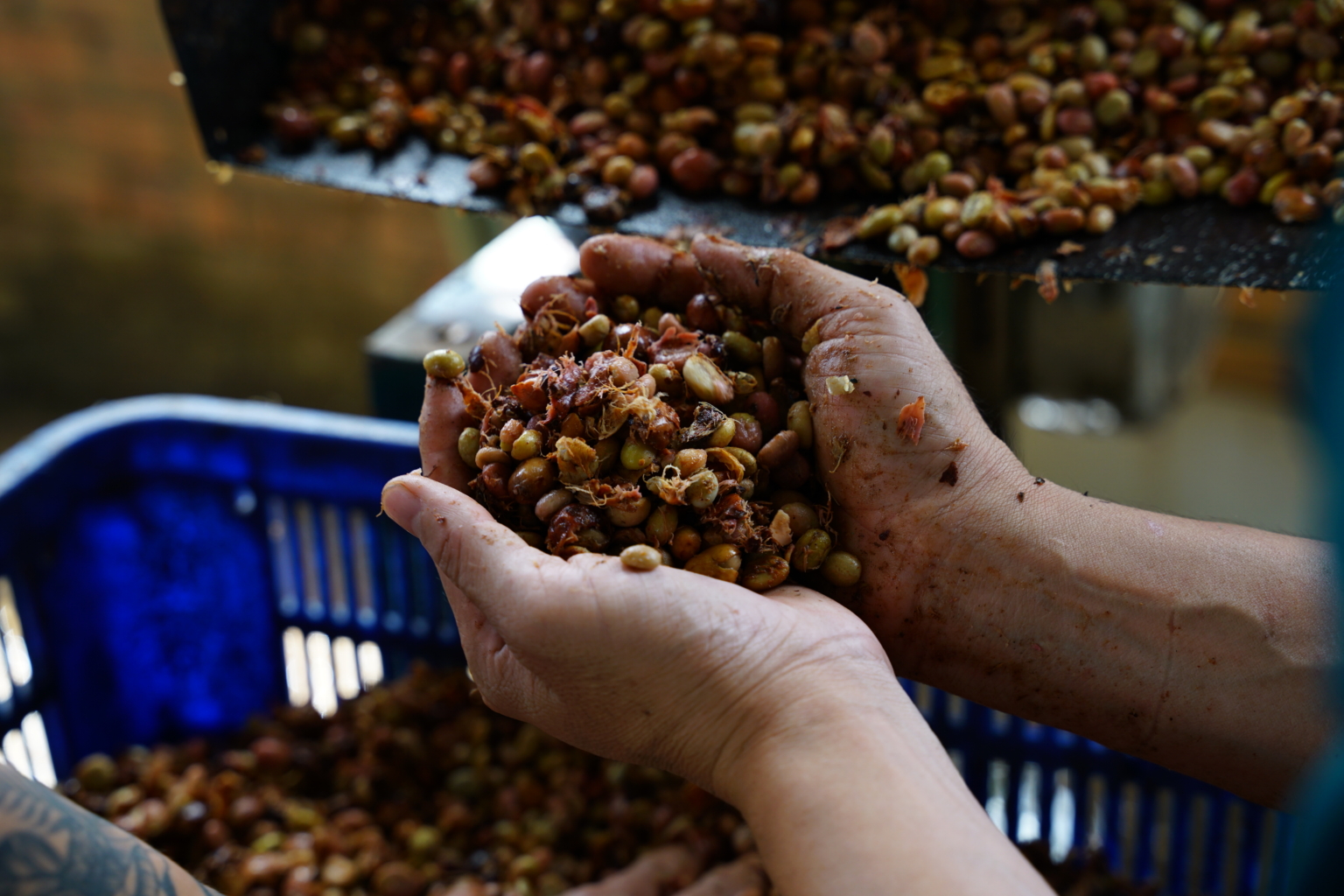
Anaerobic honey processing brings together two of the methods we’ve just explored.
The coffee undergoes controlled fermentation in a low-oxygen environment, while honey processing involves drying the coffee with some of its mucilage remaining.
These techniques can be combined in different sequences depending on the producer.
The result can be a coffee that combines the sweetness and rounded mouthfeel often associated with honey processing with the more expressive flavours that controlled fermentation can produce.
What does anaerobic honey coffee taste like?
Try it at Nam Song: Our Thailand – Sirinya Farm – Anaerobic Honey coffee.
Co-fermentation is one of the more experimental approaches to coffee processing.
During fermentation, producers introduce additional ingredients or fermentation materials alongside the coffee.
These might include fruits, spices, flowers or other ingredients, depending on the process being used.
The aim is to influence the fermentation environment and potentially introduce new flavour characteristics.
Unlike a conventional coffee with naturally occurring floral tasting notes, a co-fermented coffee may have been processed using additional ingredients.
What does co-fermented coffee taste like?
Try it at Nam Song: Our Vietnam – Zanya Farm – Lavender Co-Ferment coffee.
It’s an example of the experimentation happening within Vietnam’s emerging speciality coffee scene.
There’s no single best method.
Different processing techniques simply offer different ways of expressing a coffee’s characteristics.
If you prefer a clean, delicate cup, you might enjoy a washed coffee.
If you like sweetness and pronounced fruit flavours, natural or honey processing could be more your thing.
And if you enjoy discovering unexpected flavours, anaerobic or co-fermented coffees are well worth exploring.
These are general tendencies rather than guarantees. Coffee variety, growing conditions, fermentation, roasting and brewing all influence the final cup.
One of the things we find most exciting about coffee is just how much there is to discover.
Two coffees can come from the same farm, be grown in the same conditions and still taste completely different because of the way they’re processed.
That’s something we experienced first-hand visiting Zanya Coffee in Da Lat, Vietnam, where producers are experimenting with different methods to explore what’s possible with Vietnamese Arabica.
And it’s something we’re excited to share through our wider range of coffees from across Asia.
So next time you’re choosing a coffee, have a look at the processing method.
You might discover a completely different side of coffee.